proof
By David Auburn
University of Michigan - Flint
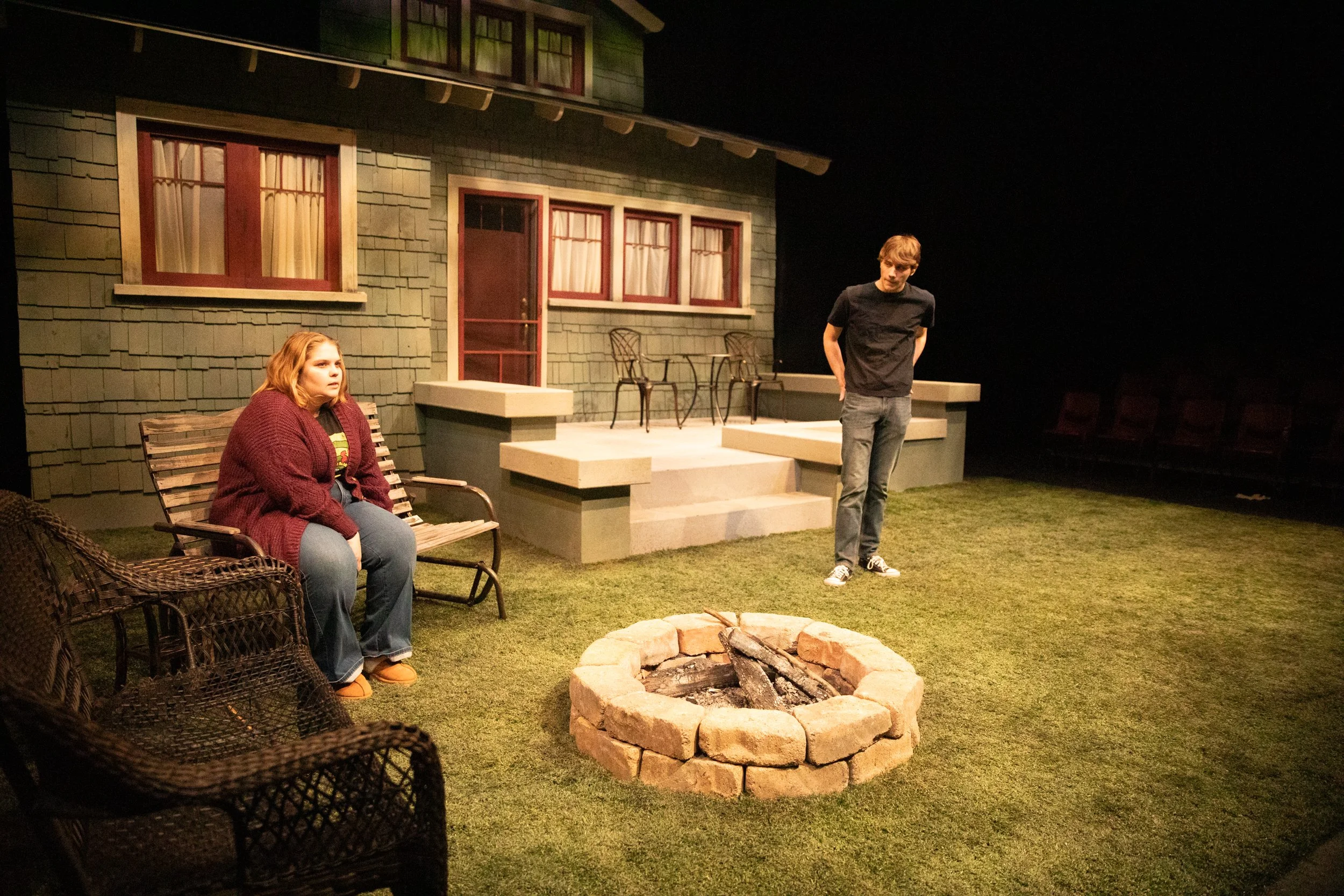
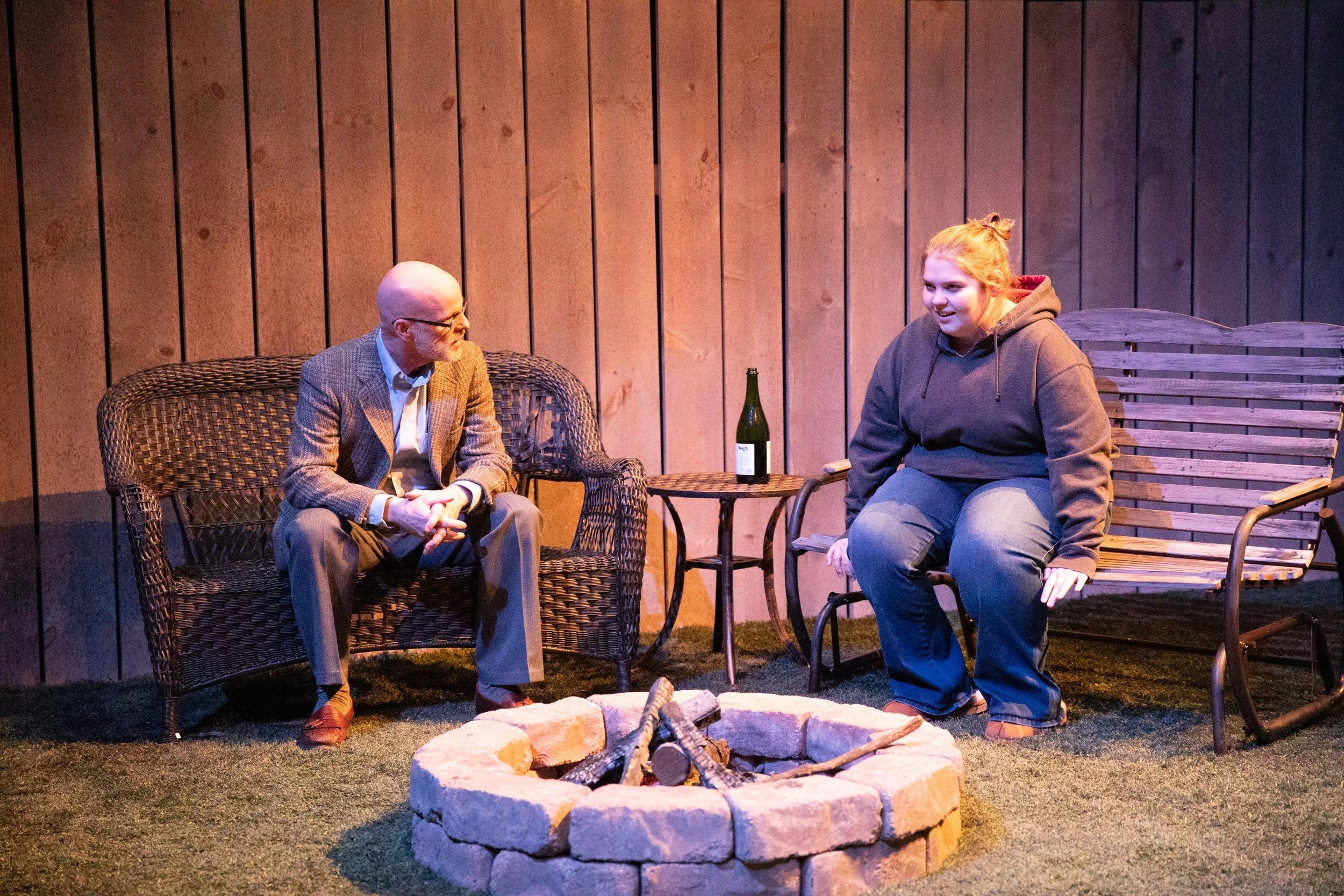
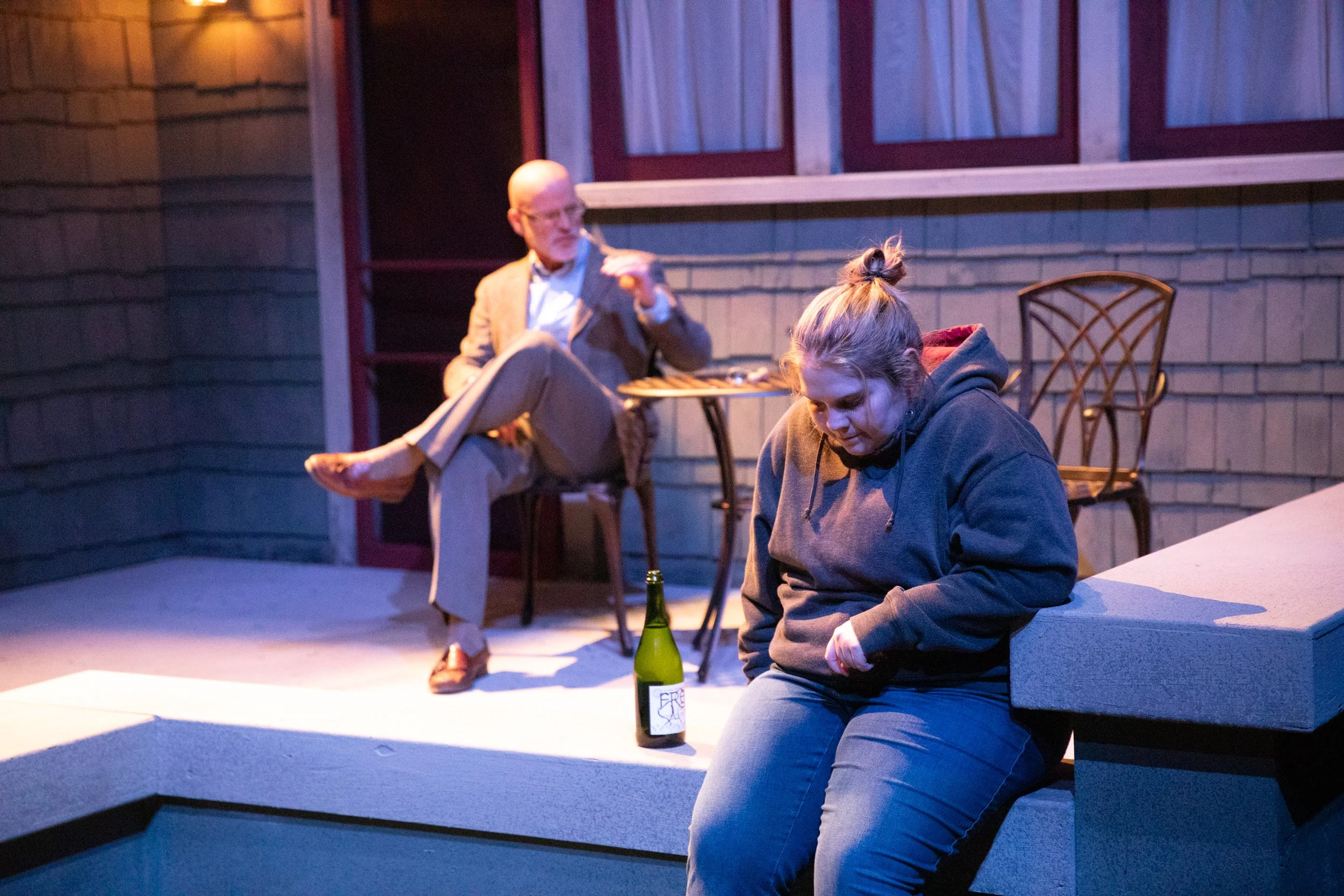
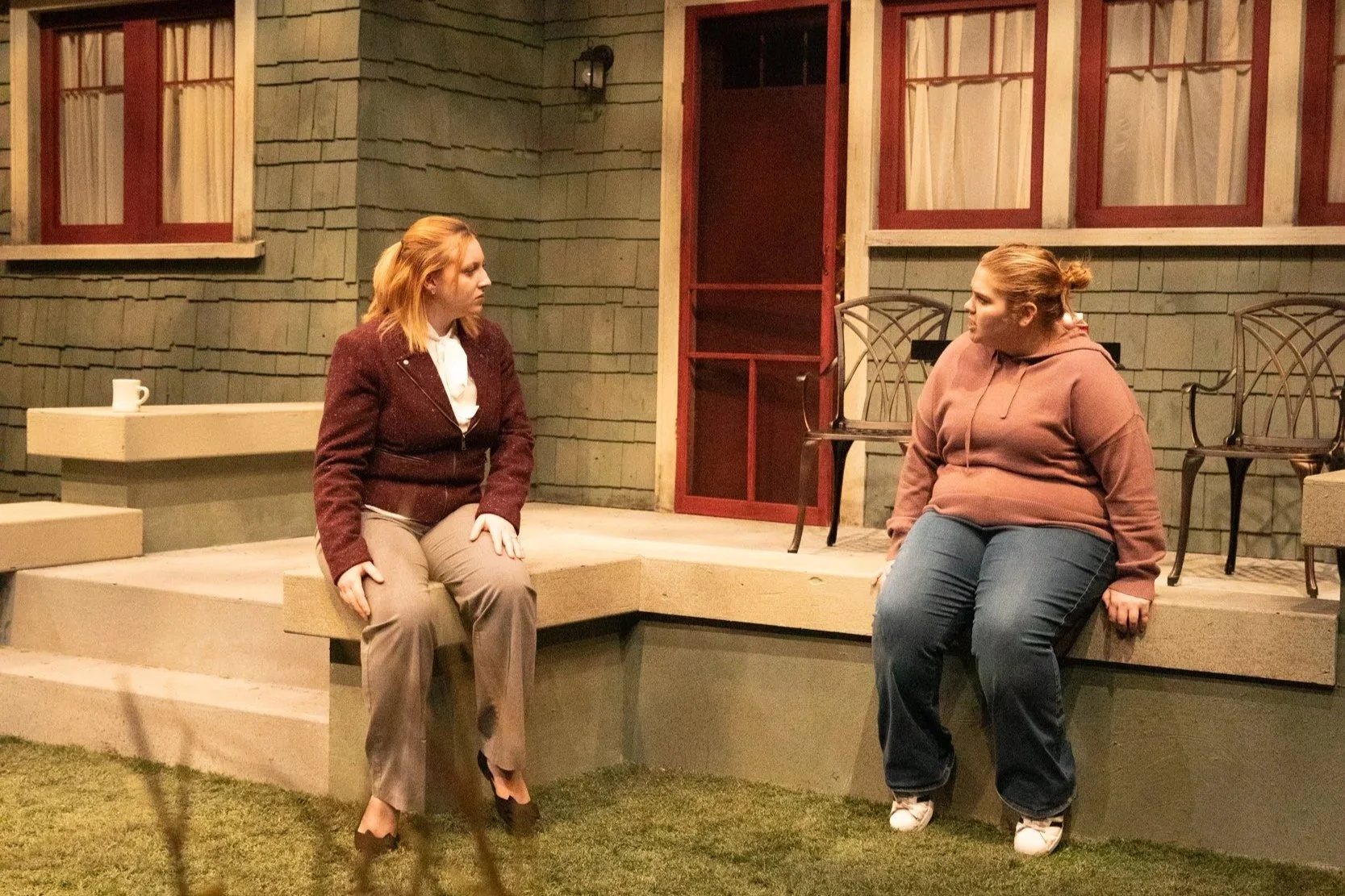
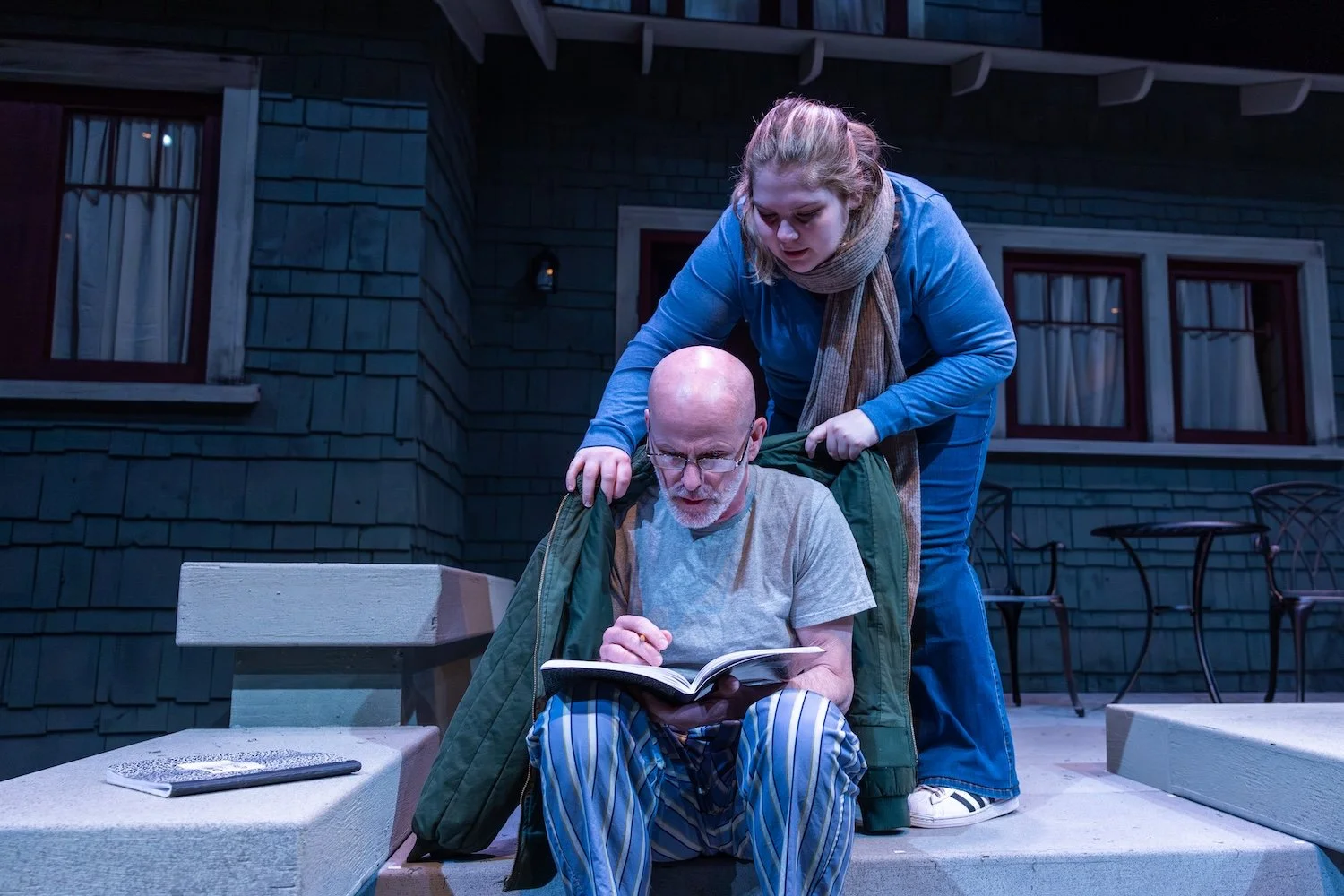
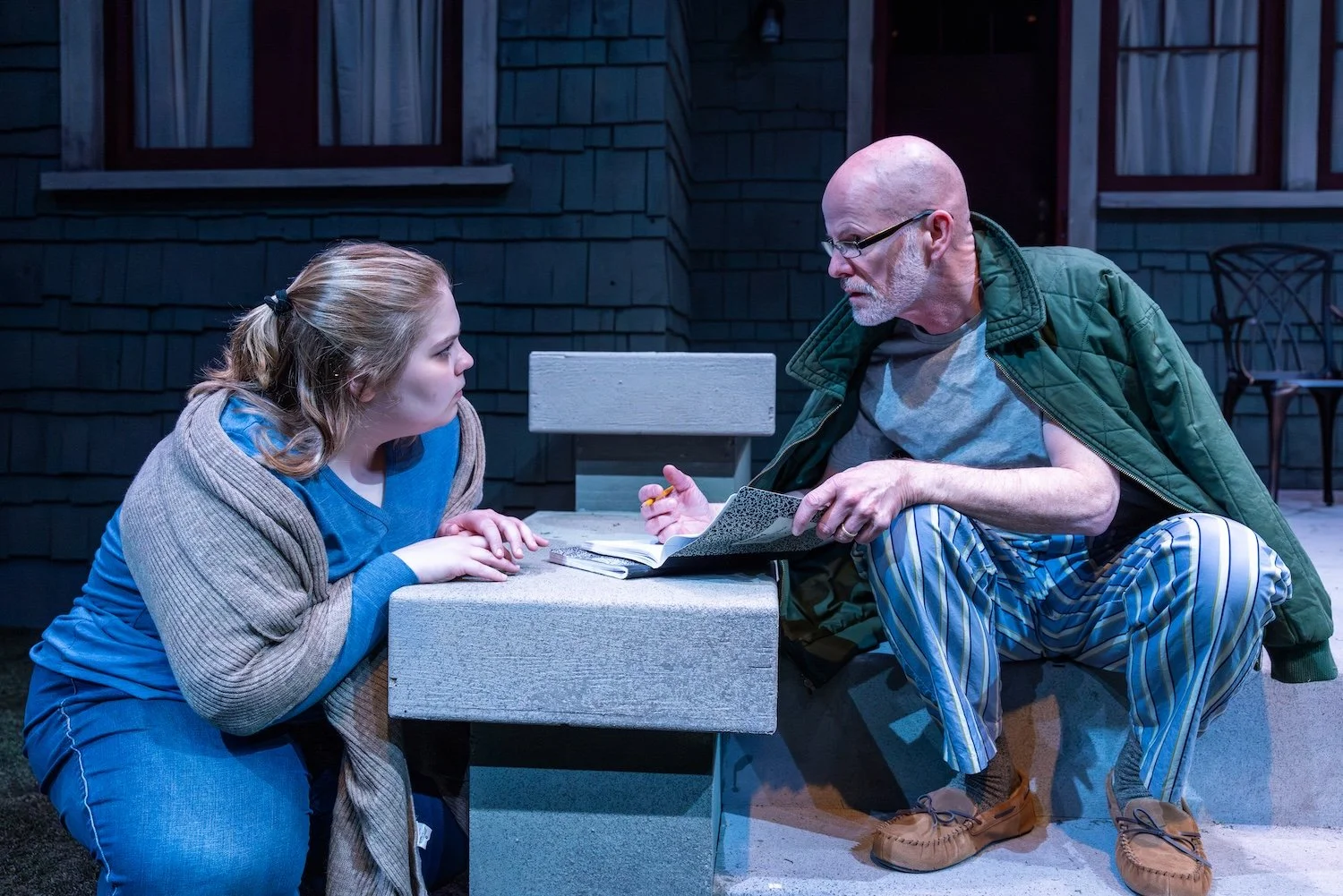
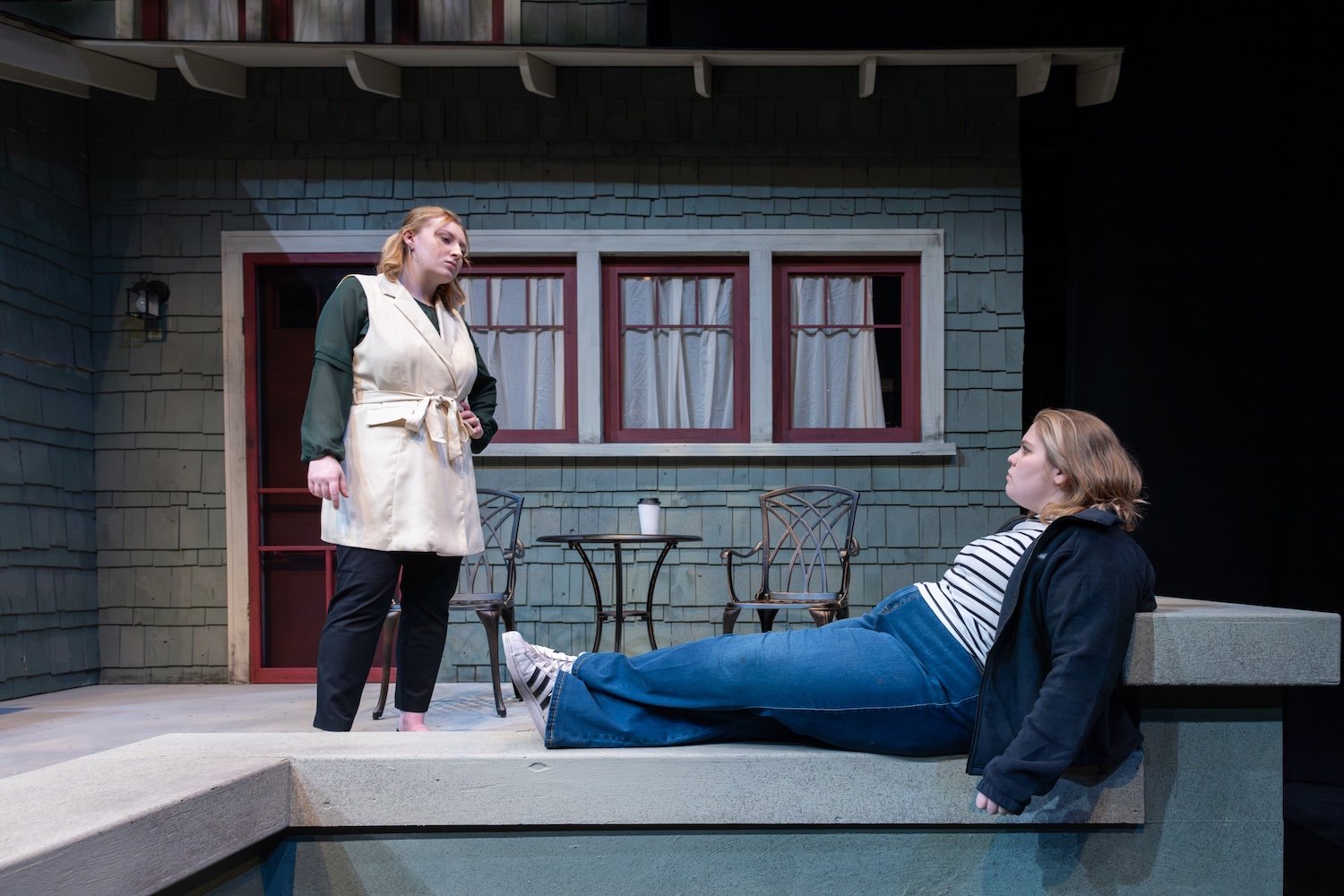
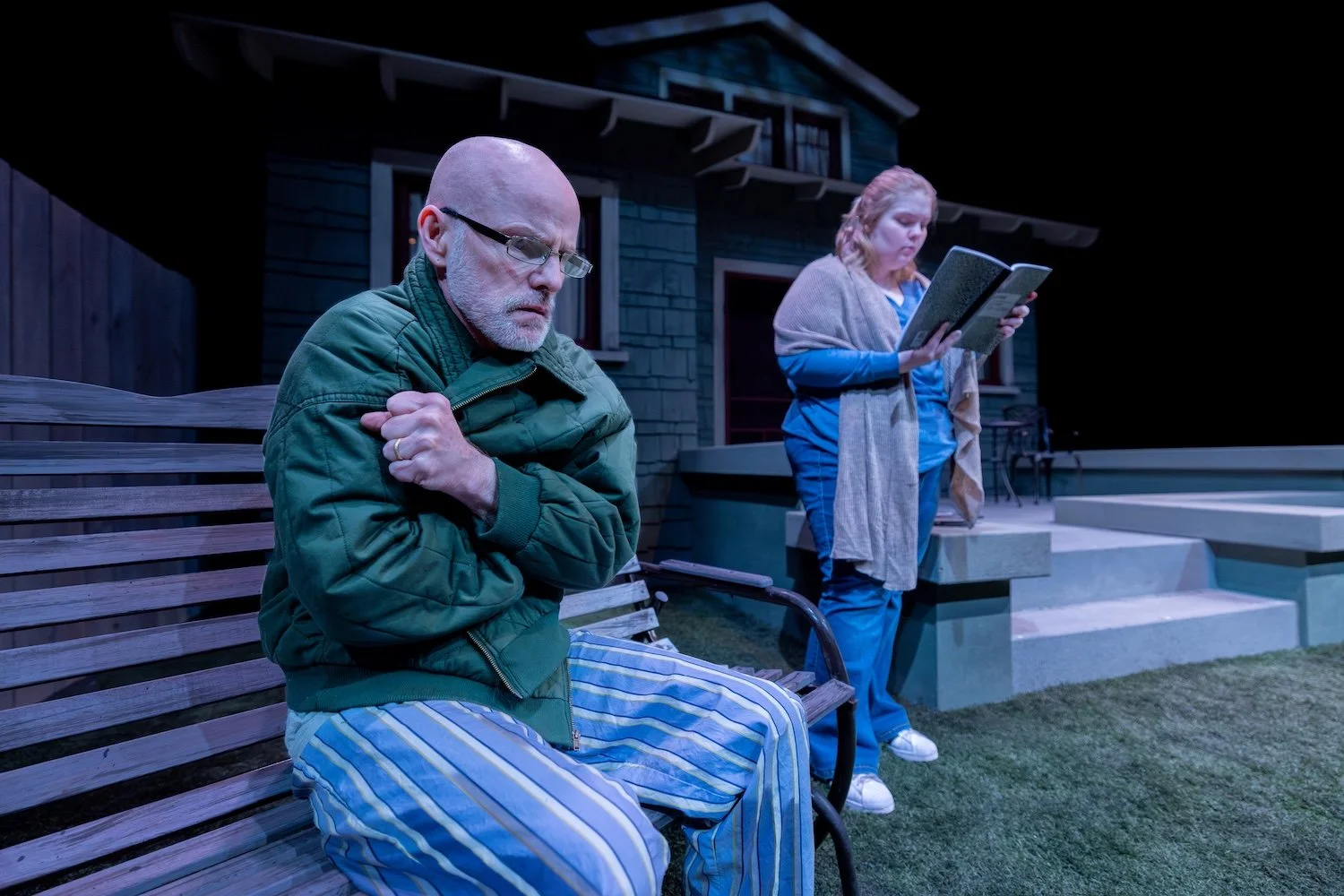
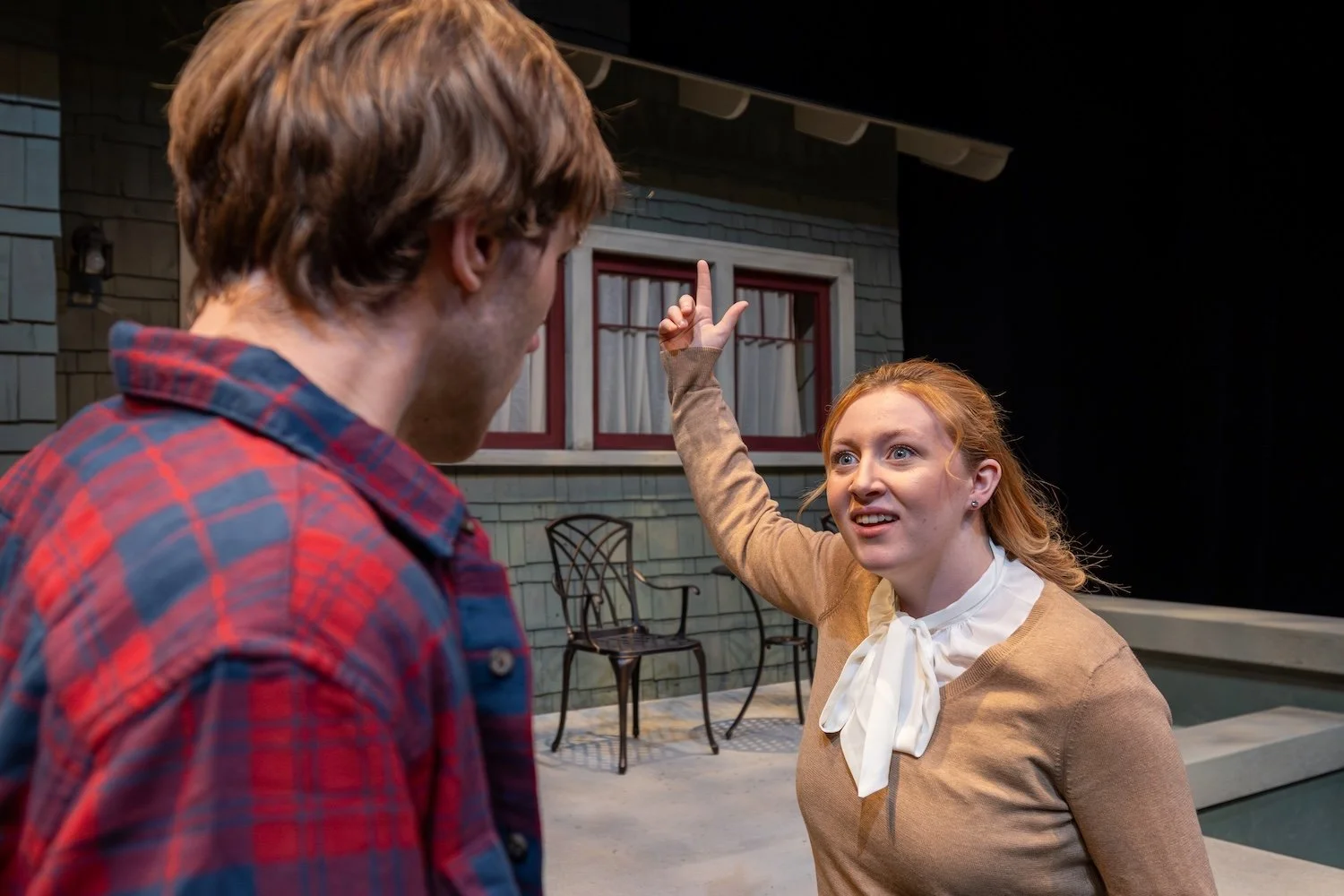
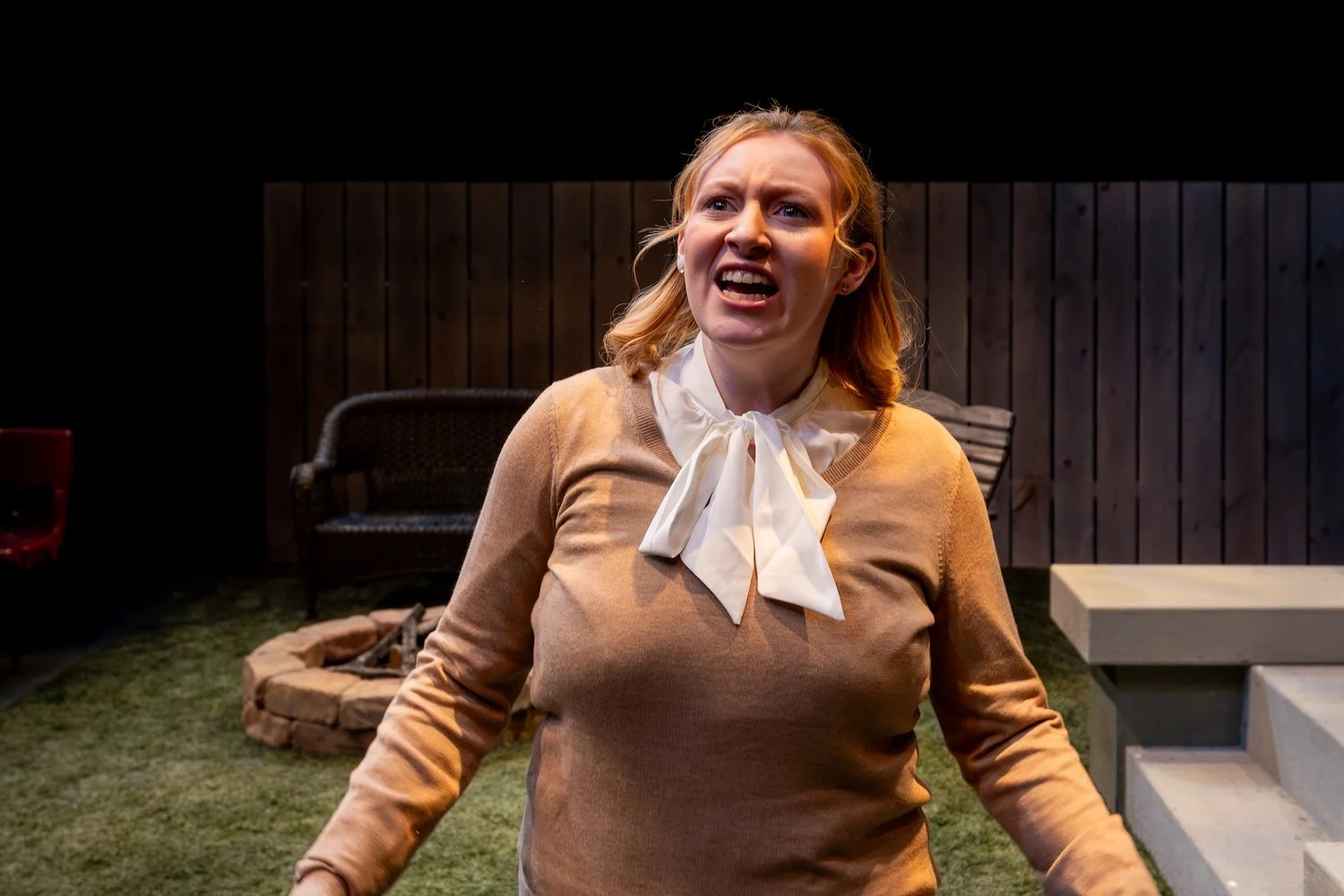
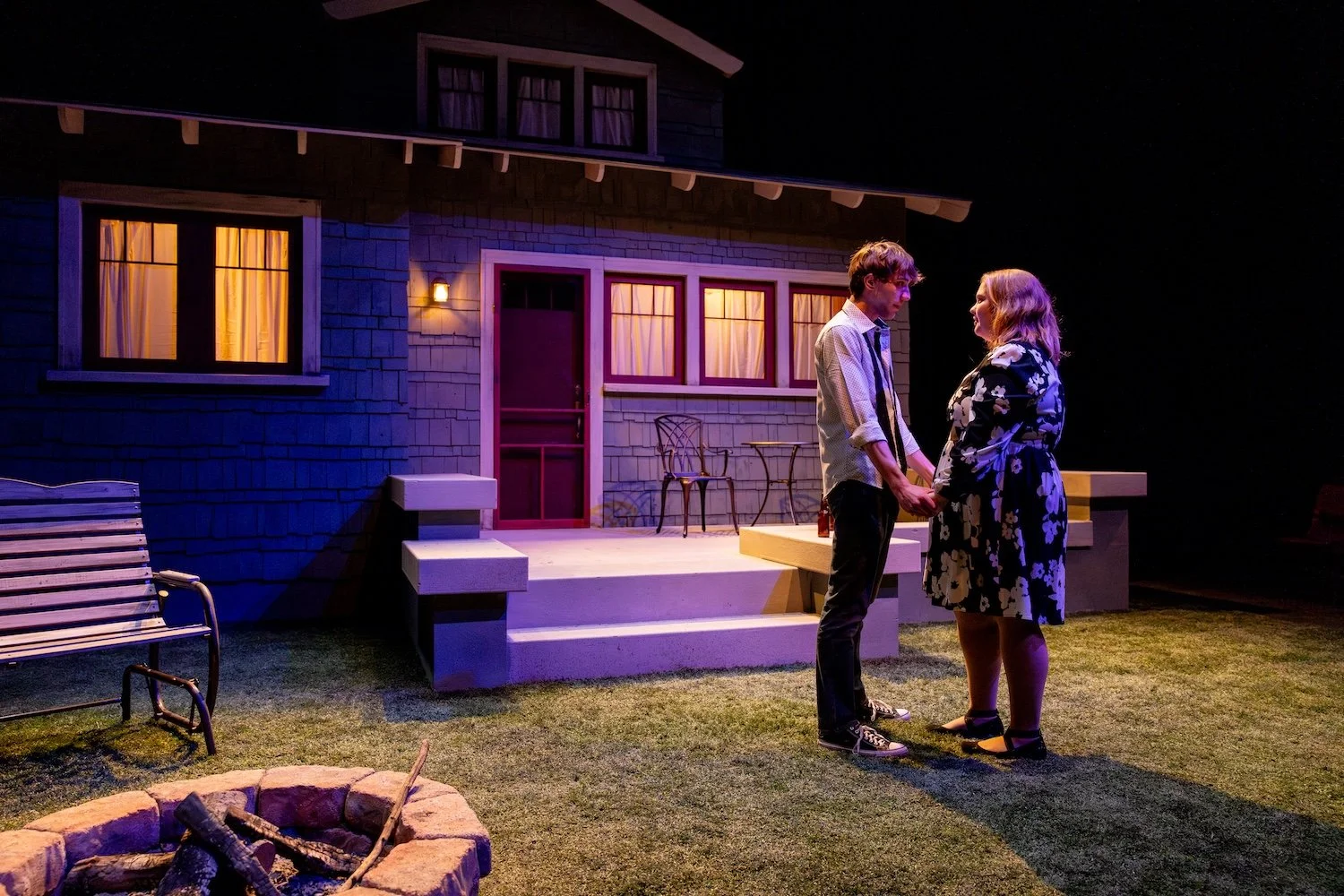
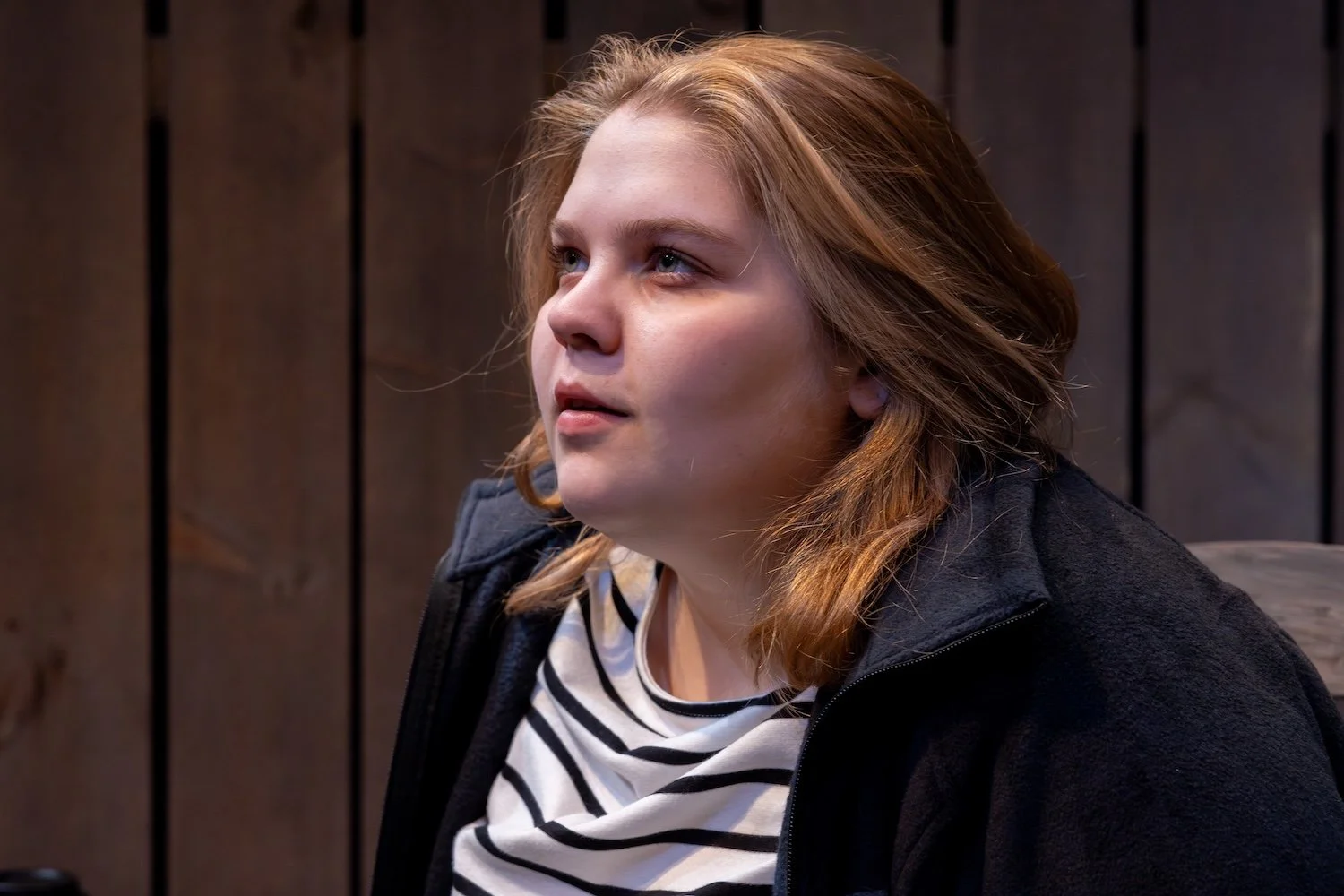
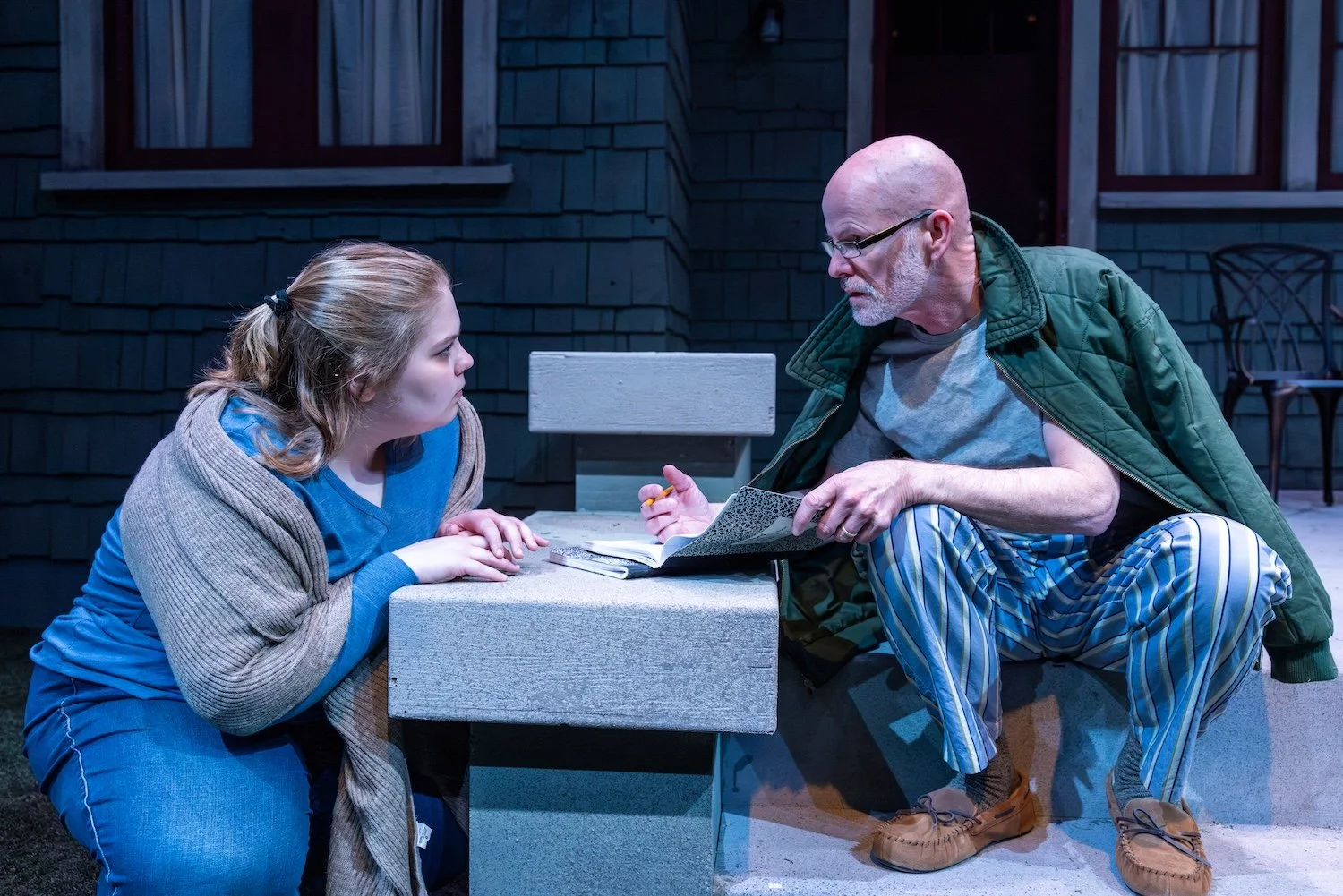
Director’s Note
In every theatre class I teach, and in every facet of my artistry, I find myself frequently quoting Lorraine Hansberry from a radio interview she did in 1959, in which she said, “I believe that one of the most sound ideas in dramatic writing is that in order to create something universal, you must pay very great attention to the specific.” Proof is a play that clearly demonstrates this with its layering and detail. A lot of people, thinking of coming to the show, have asked me, “what is Proof about?” I struggle to reply to this question because the answer is so big. On the surface, it seems to be about math and mental illness. But playwright David Auburn has stated in several interviews that he did not set out to write a play about math or mental illness. Instead, he had two ideas percolating. One was about two sisters fighting over the finding of an important document believed to be written by a recently deceased parent. The other was about a young woman, sitting up alone at night, worried she might inherit her father’s mental illness. At the same time, Auburn happened to be reading the book A Mathematician's Apology by G.H. Hardy, in which the author attempts to explain the pleasures of doing math to a non-mathematical audience. Auburn was so engrossed by the book that he decided to set his story in Hardy’s world, despite having barely made it through freshman calculus in college.
The nuances of this play give it a broadly universal appeal. Proof does indeed encompass all of Auburn’s original ideas… and it covers so much more: the intimidating nature of brilliance, the stereotype/relationship between mental health and intelligence, the fear of inheriting or developing undesirable traits or illnesses from our parents, the bond between parent and child, the dysfunction inherent in any family unit, the enormous task of being a primary caregiver, the professional responsibility one faces with important information, and the difficulties women face in male dominated professions, just to name a few. Today, you will all see the same production and likely take away something different. My guess is that some of you will find themes I haven’t touched on. Really, the answer to the question “what is it about?” depends on your personal experiences and your frame of reference as you view the play. That’s what makes this a truly great play.
Thank you for joining us today. It has been a pleasure helping these students to grapple with the issues at hand and watching them flourish as artists. We hope you enjoy the production and look forward to seeing you at our shows in the future!
-Stephanie Dean
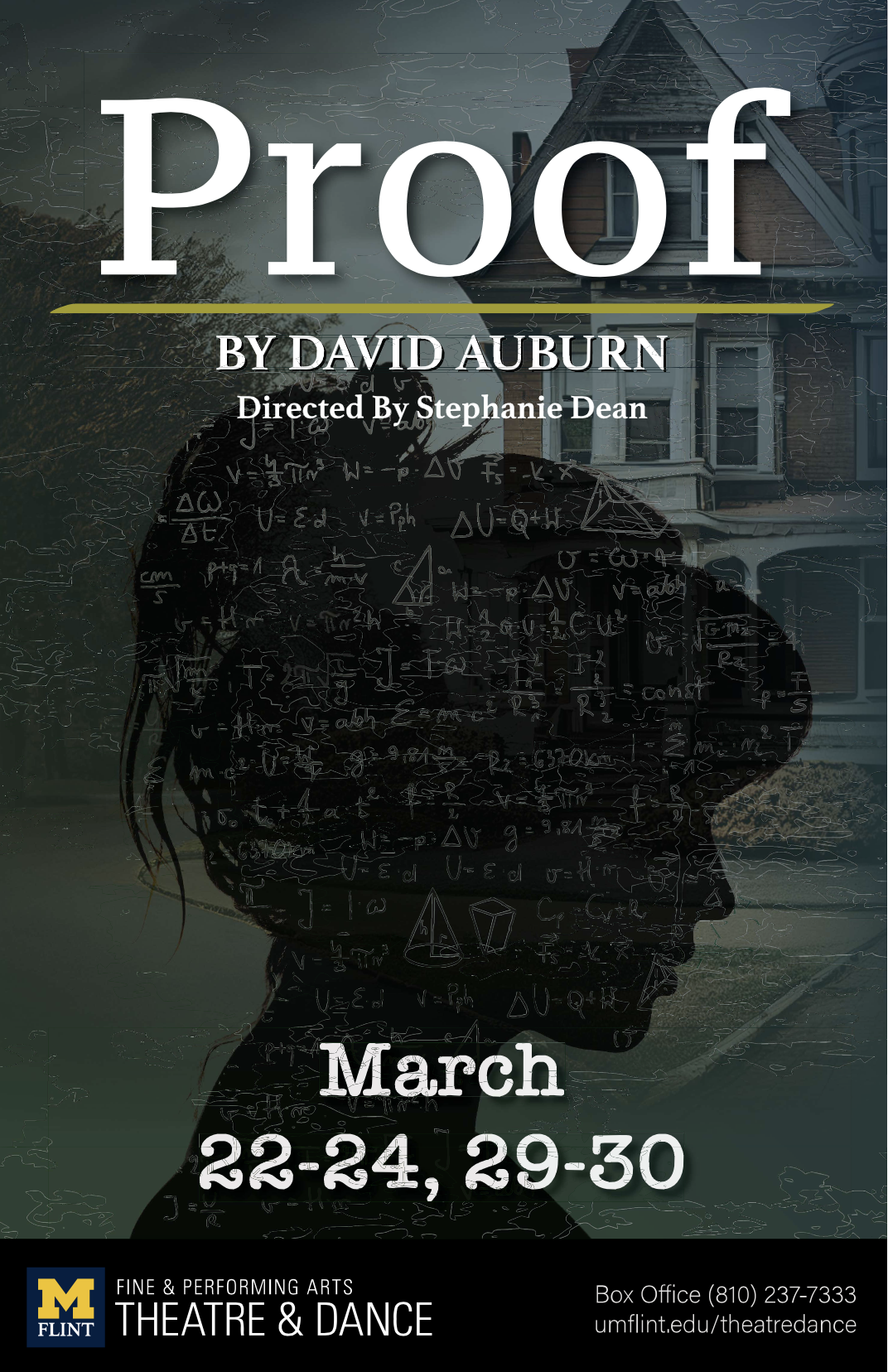
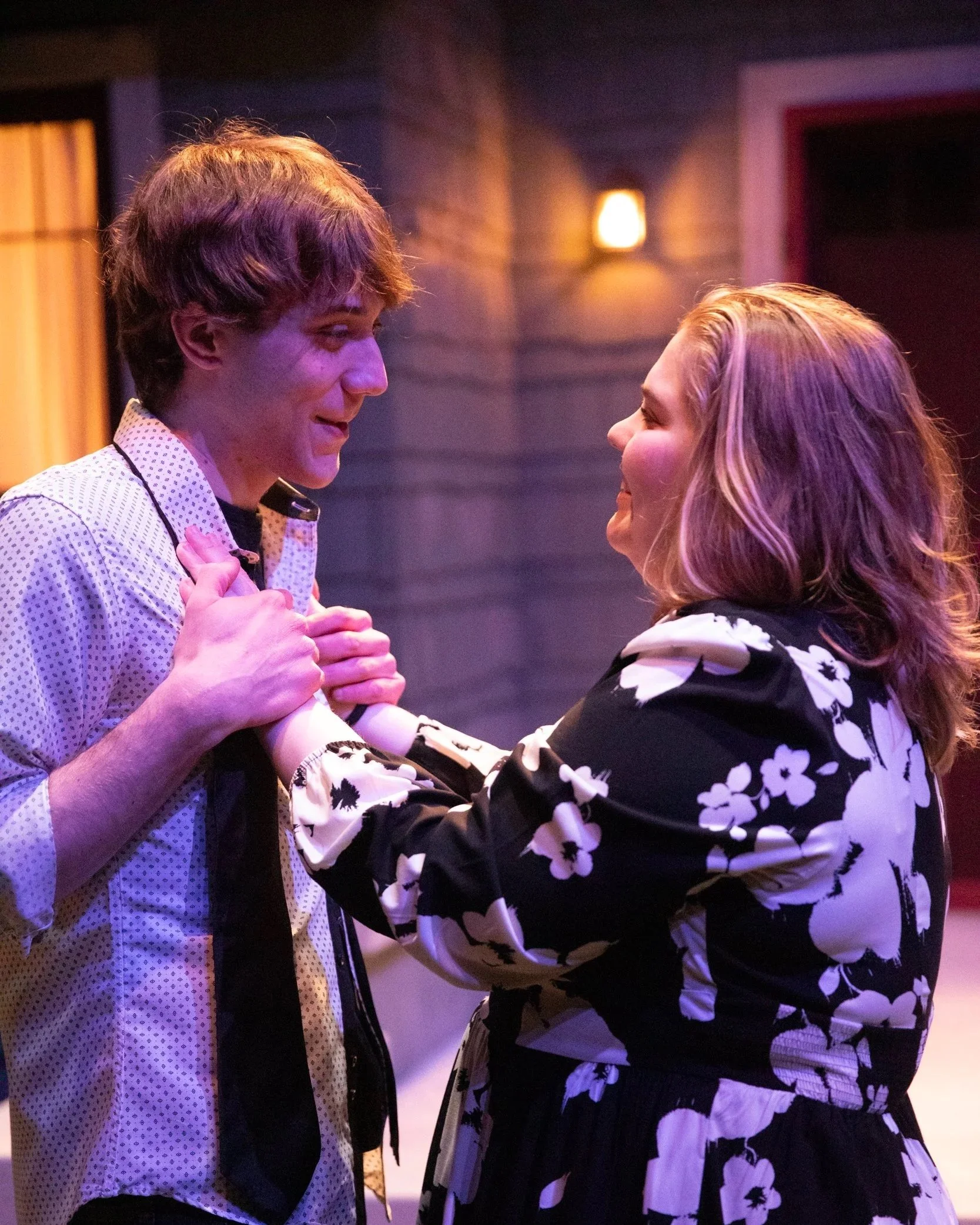
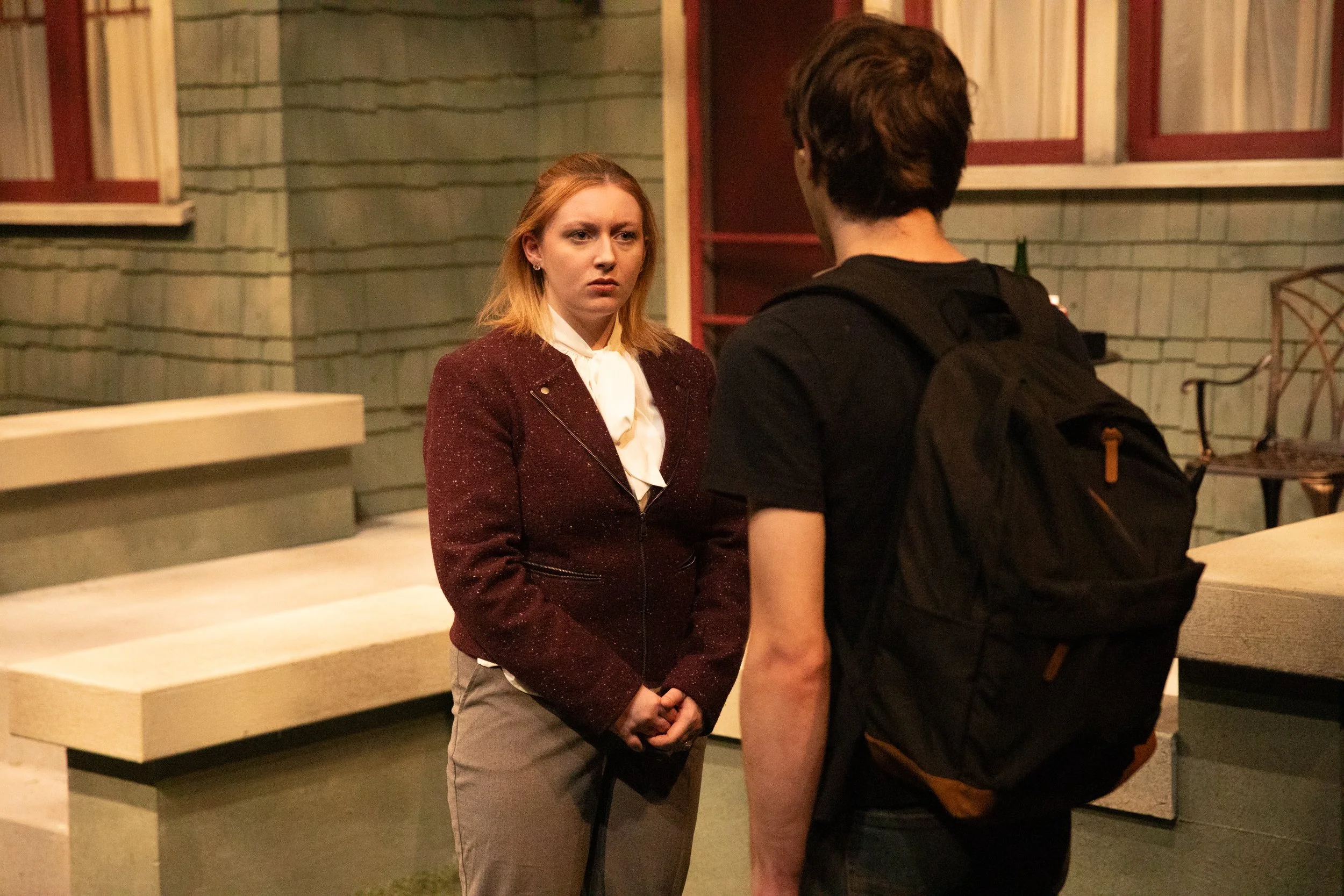
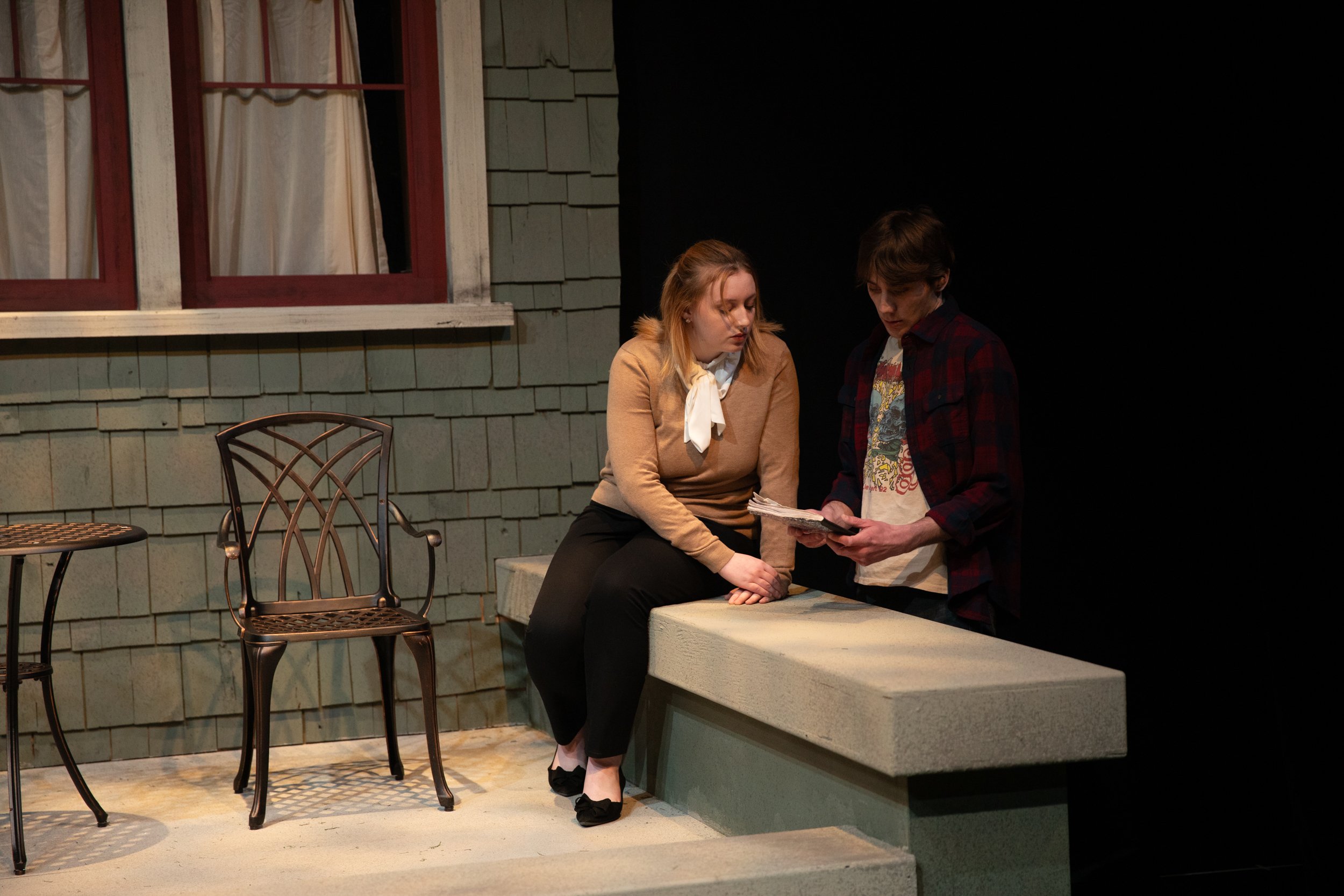
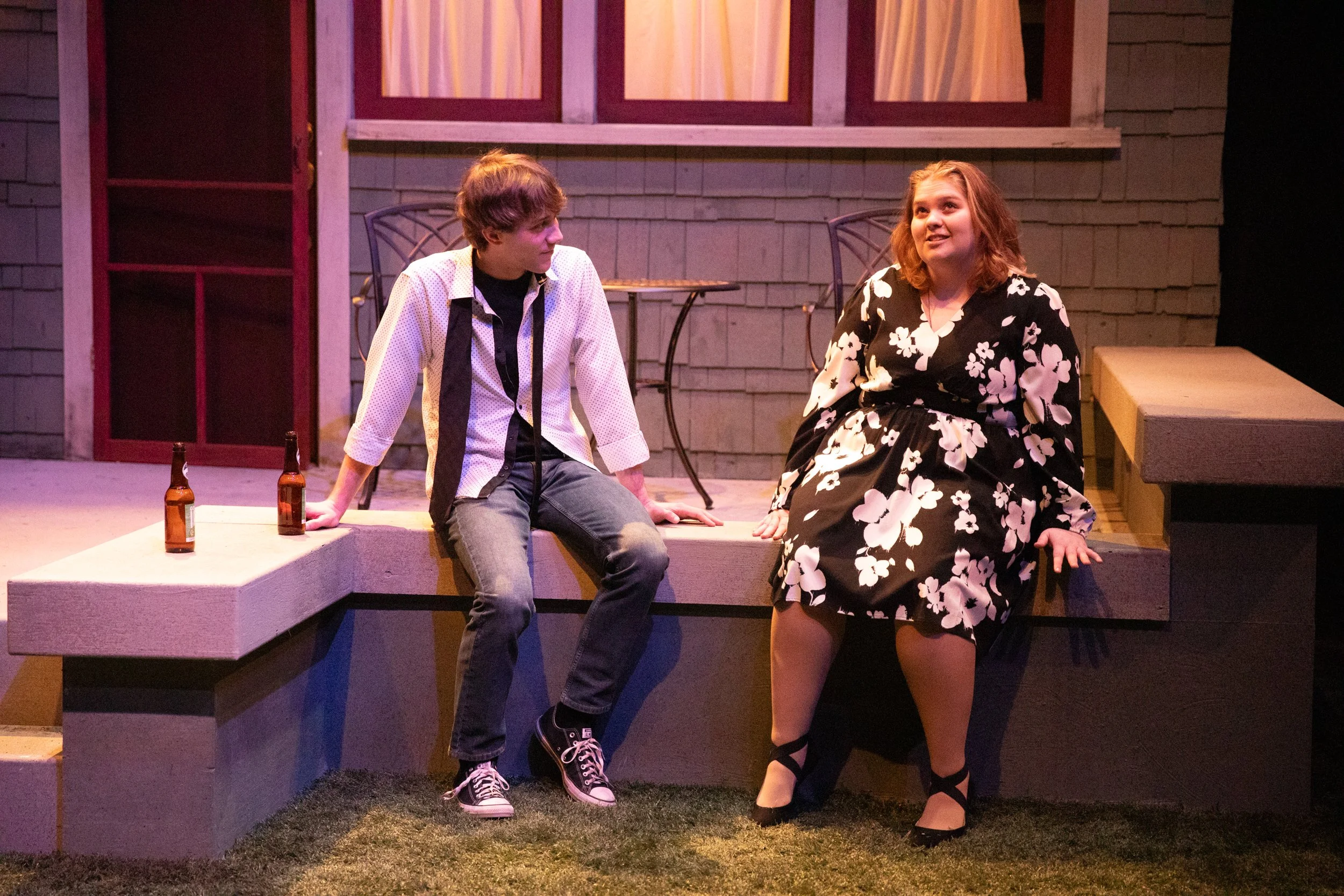
Photo & Video Credit: Jacob Cessna and Scot Orser
-
Scenic Design: Lisa Borton
Costume Design: Lisa Borton
Properties Design: Lisa Borton
Lighting Design: Doug Mueller
Sound Design: Dan GericsFeaturing: Layna Bollwit, Dan Gerics, Logan Reeves, Bethann Sampson